

Dear paddling friends, here are my detailed test impressions of the Starboard All Star Airline. Let’s start with what I didn’t like at all: an off-center fin box, rust in the carry bag, and a cracked nose cone. What I did like, though… a damn good all-rounder that doesn’t miss a single equipment detail. But let’s go through everything in detail.
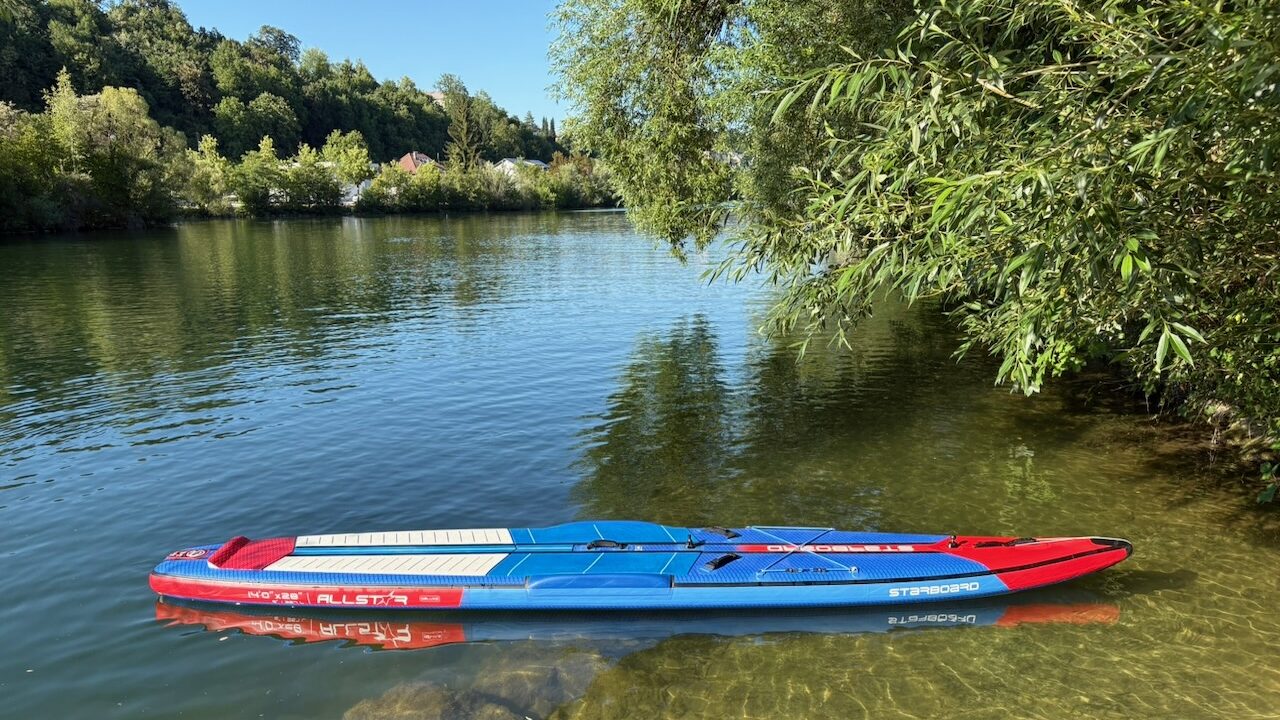
The Pros

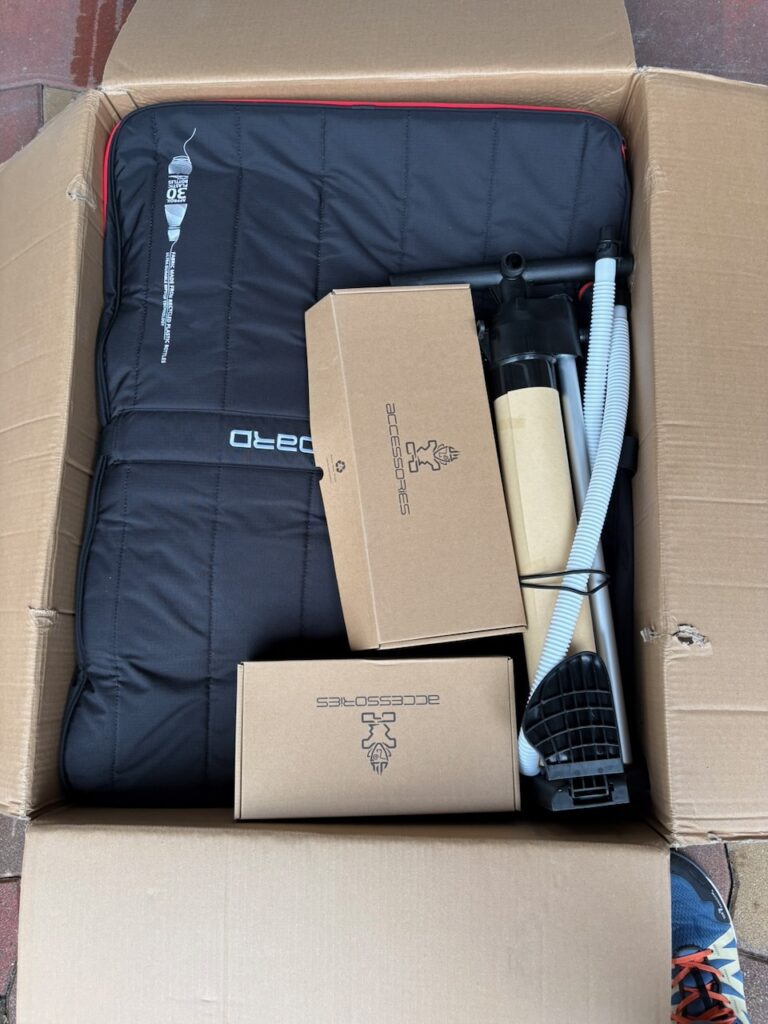
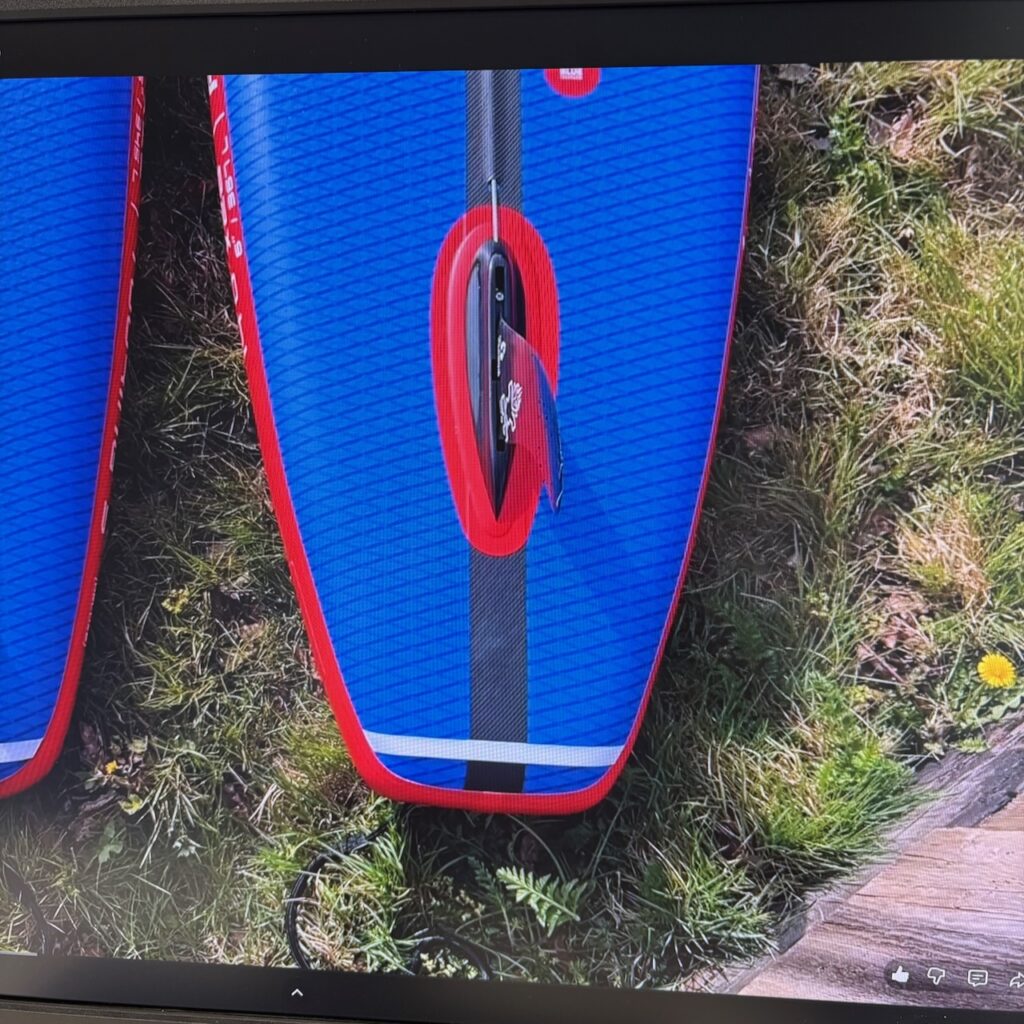
From the first unboxing, this board makes you proud to own it: a premium bag with tons of space, zero plastic packaging, an excellent SUP pump, maybe the best deckpad around, and padded handles exactly where you’d want them. The drop-shaped fin box design alone raises the bar for what a premium race SUP should offer.
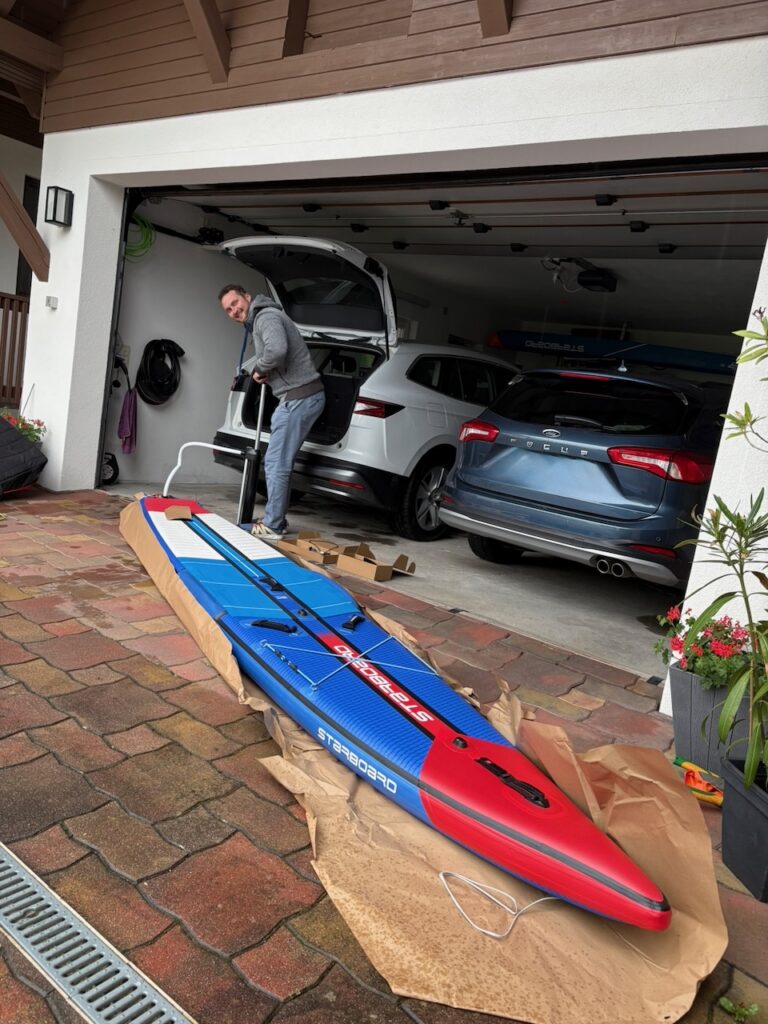
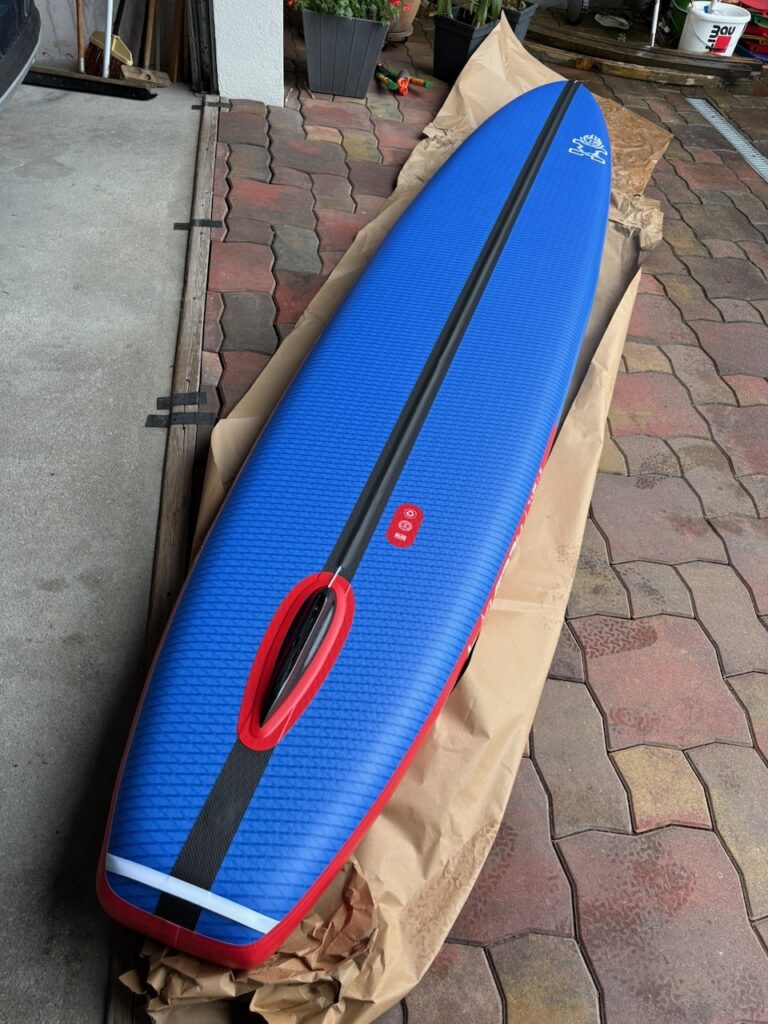
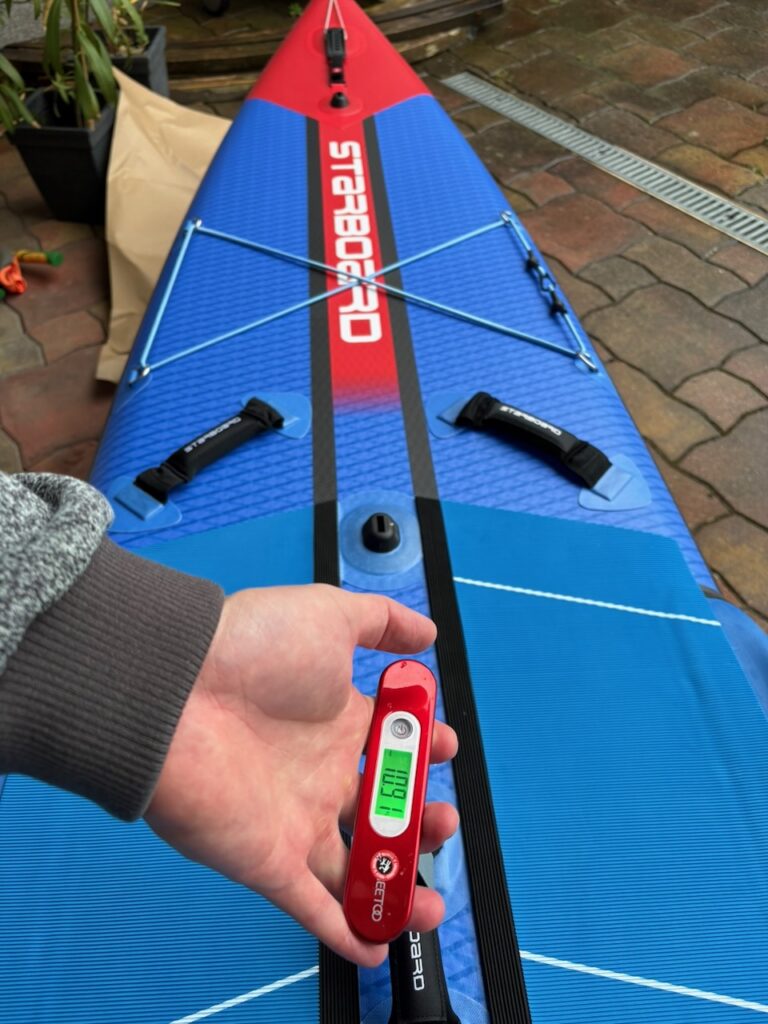
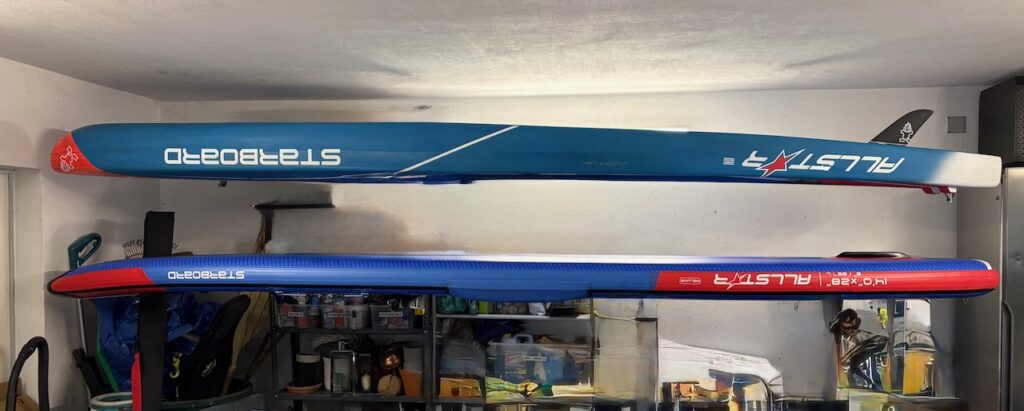
At 10.9 kg without the fin, it’s excellent given all the extra fittings, and noticeably lighter than the iTiwit and my SIC Bullet — which makes it a bit twitchier in return. Still a stable, easy-to-paddle 28″ board despite that.
Setup ran at 16–17 psi (18 for short sprints), and the nose scoop is about perfect. Once you’re above roughly 8.5 km/h, the narrow rail edge earns its keep. Where the Airline System really shines is upwind: it punches through waves with less flex than competitors and doesn’t slam as hard as other flat-bottomed iSUPs.

Stiffness is decent, though nothing spectacular — the SIC Bullet still glides better overall, but the Allstar Airline turns and handles upwind paddling more easily. Not the best at any one thing, but exactly the mixture I was after.

The Cons
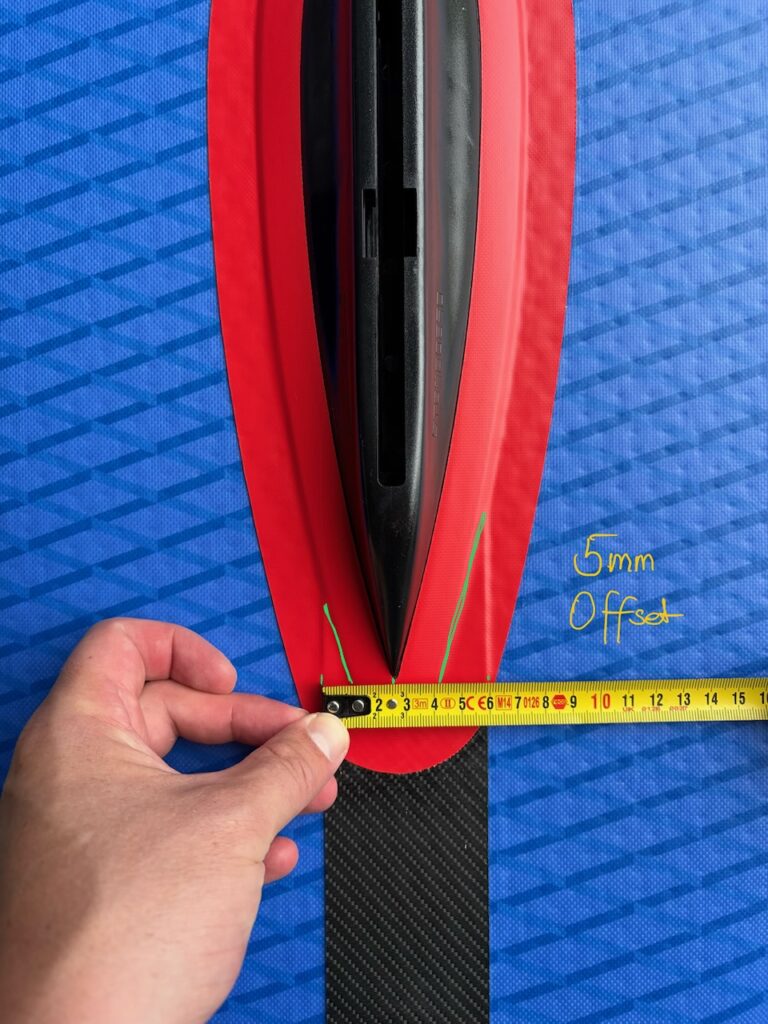
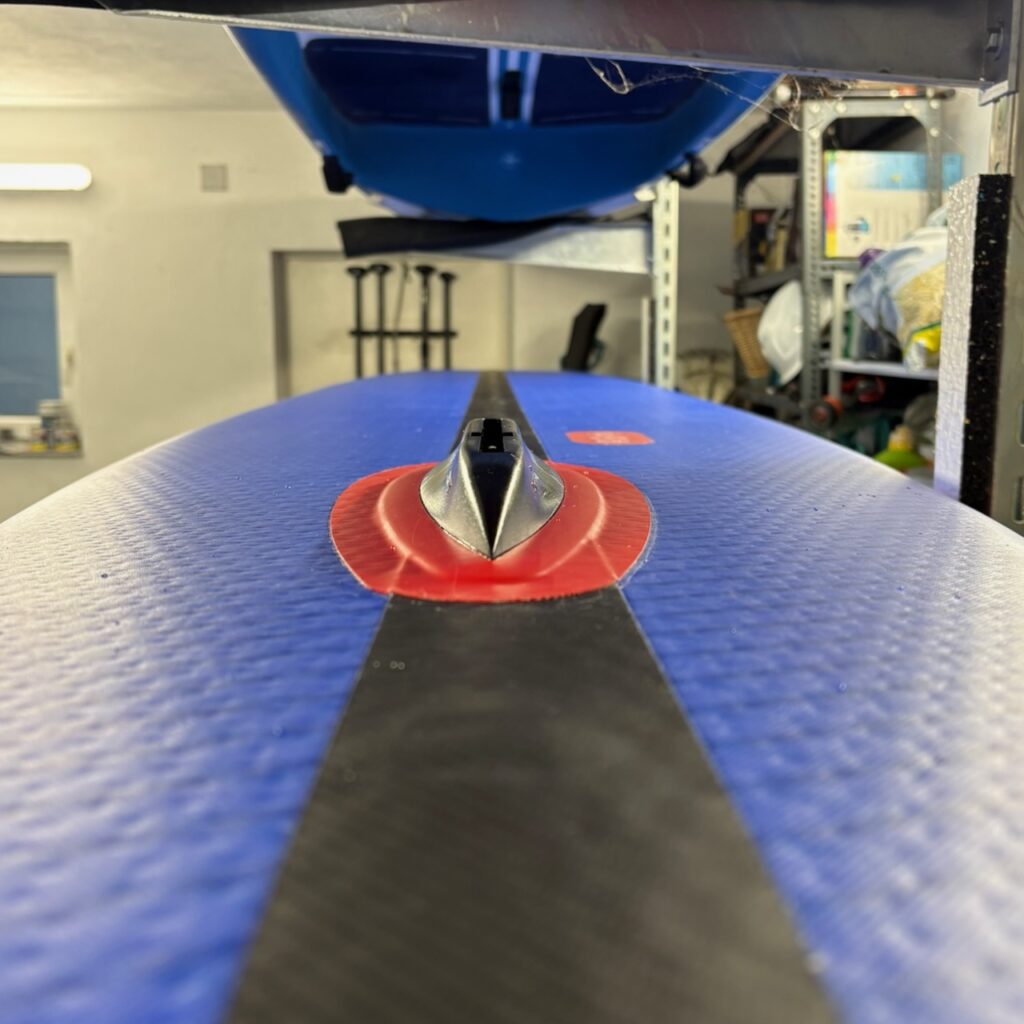
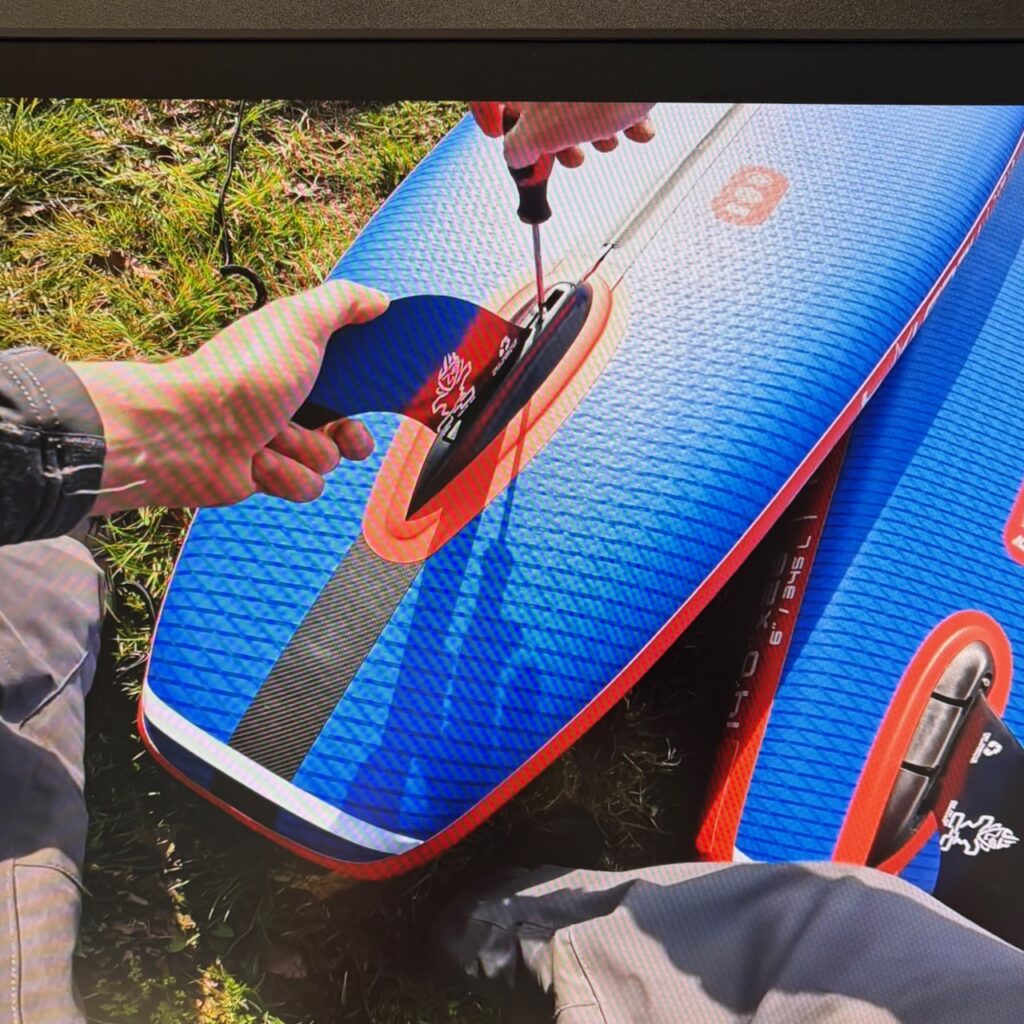
If this isn’t the first article you’ve read from me, you know I expect a certain level of perfection from premium-priced boards. So what would you think if you could clearly see that the fin box sits off-center? I measured it — “only” 5 mm off, but the narrow carbon stringer makes it easy to spot (and I’ve never had that before). I could have lived with that for a small refund, since a replacement board wasn’t happening this year.
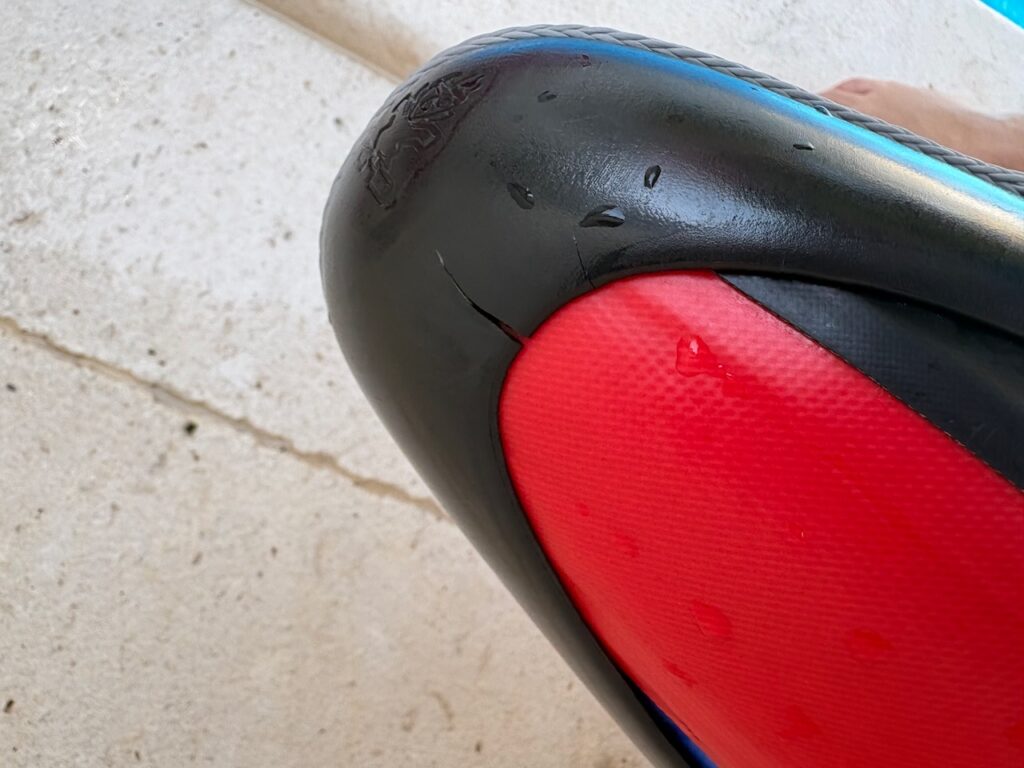
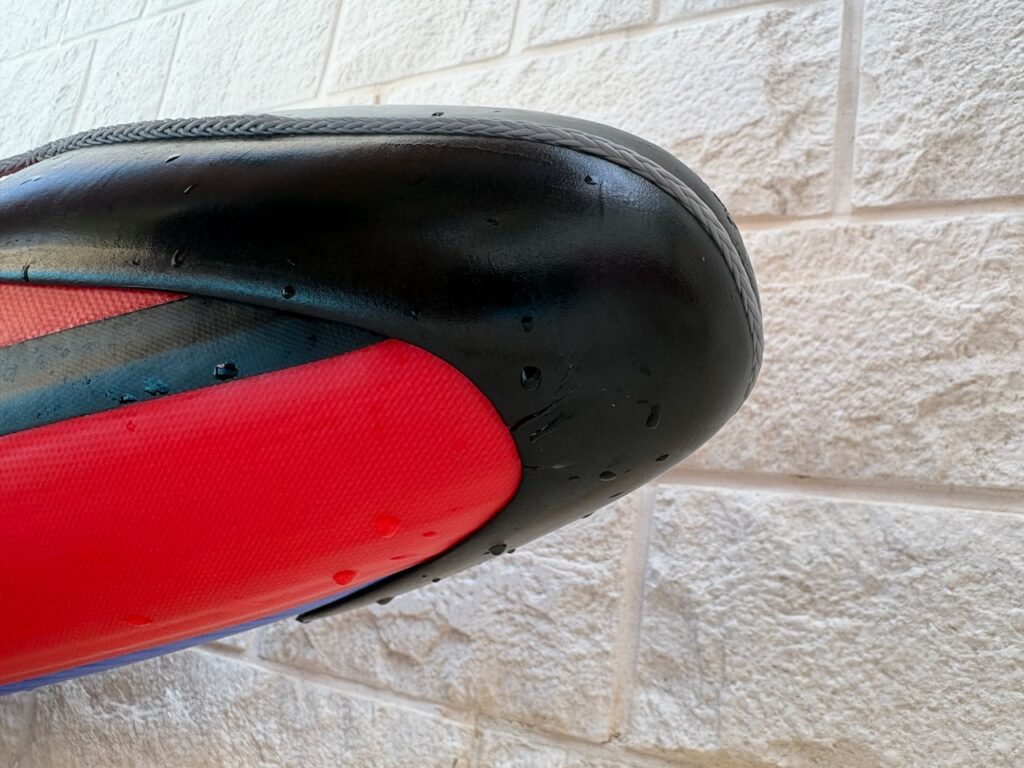
Then the nose cone cracked. It’s made of recycled plastic, weighs more than you’d expect, and costs a hefty $89 out of warranty. It lasted about three weeks before the first cracks appeared, without ever hitting a hard obstacle — despite plenty of turns on my Croatia vacation. Shortly after, I spotted the first rusty rivets in the carry bag. I kept using the board, but I was clearly disappointed.
The EVA standing tray is a nice touch for narrower sizes (24″-26″) or paddlers who love a wide stance, but it’s not for me — every tenth stroke or so, my paddle shaft doesn’t enter perfectly perpendicular and clips the tray’s outer edge.

We’re living in 2026, and $150–200 boards exist that even bundle a kayak seat and paddle. I get that premium boards sit in the €800–1,300 range, but if you’re going to charge that, deliver what’s expected — I want them to be lighter, stiffer and way more durable.
The “Airline Cable System” is billed as finally easy to use in 2026, and to be fair, the Quick Lock setup is straightforward. But it still adds complexity without a clear advantage over a solid wide stringer, and the aramid cable noticeably lengthened during my first week, requiring a retighten and possibly also led to the cracks.
Why Not Earlier?
Numerous podium finishes, the promise of being the portable alternative to the all-time classic in fixed construction… so what could be more obvious than to finally test the Starboard Allstar Airline 2026 yourself?
My personal iSUP since 2019 has been the SIC Bullet Airglide, which has never let me down so far, but is now slowly showing noticeable yellowing in the rail band area. Unfortunately, Decathlon has discontinued production of the R500 race board, and with that, the option for an affordable successor is now gone as well. Previous Starboard Allstar Airline models mainly had the same shape, but with a flat nose (only the 2024 Downwind model had nose scoop).


The Wishlist

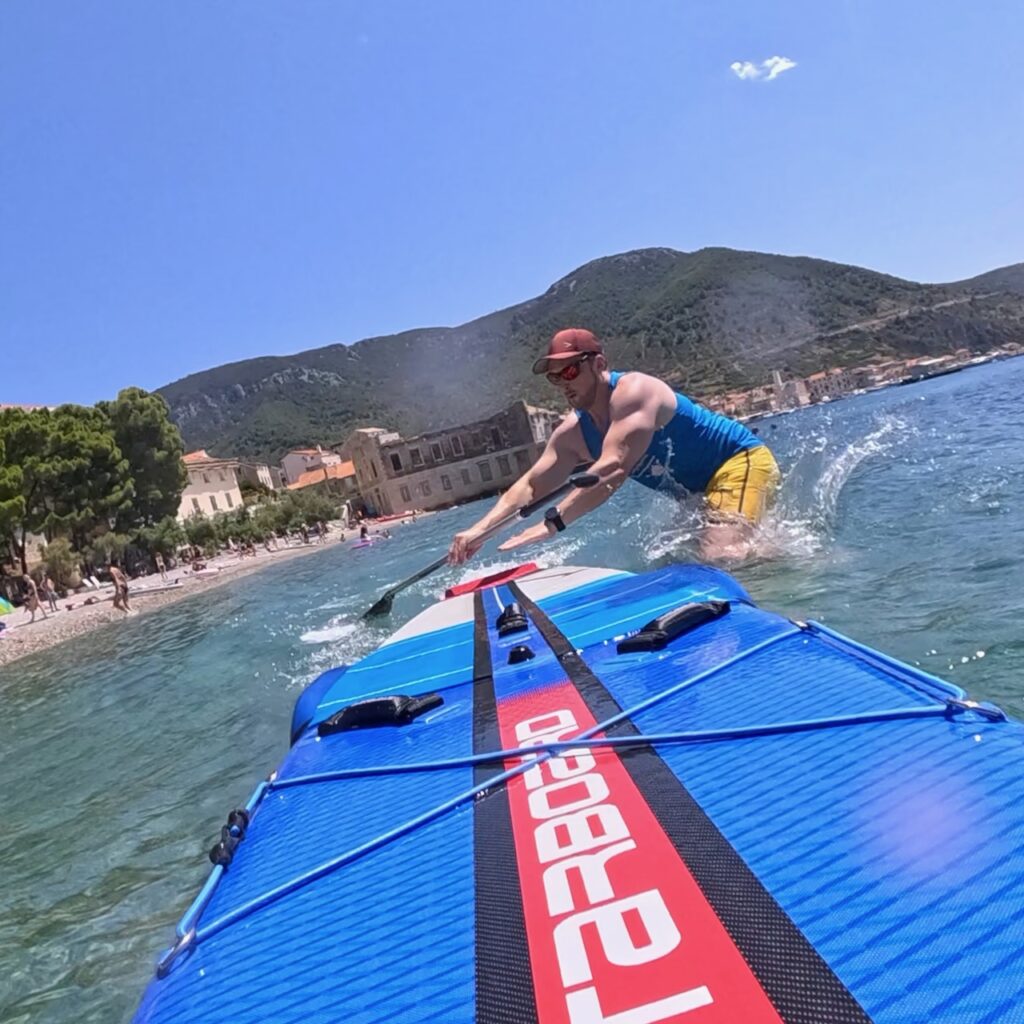
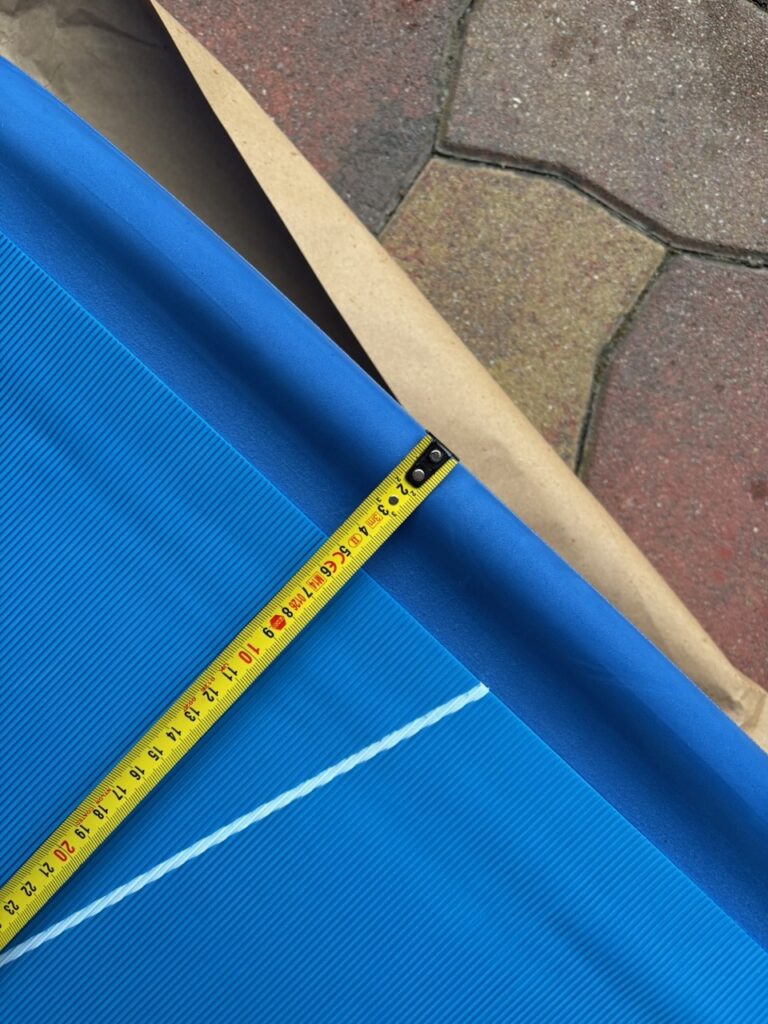
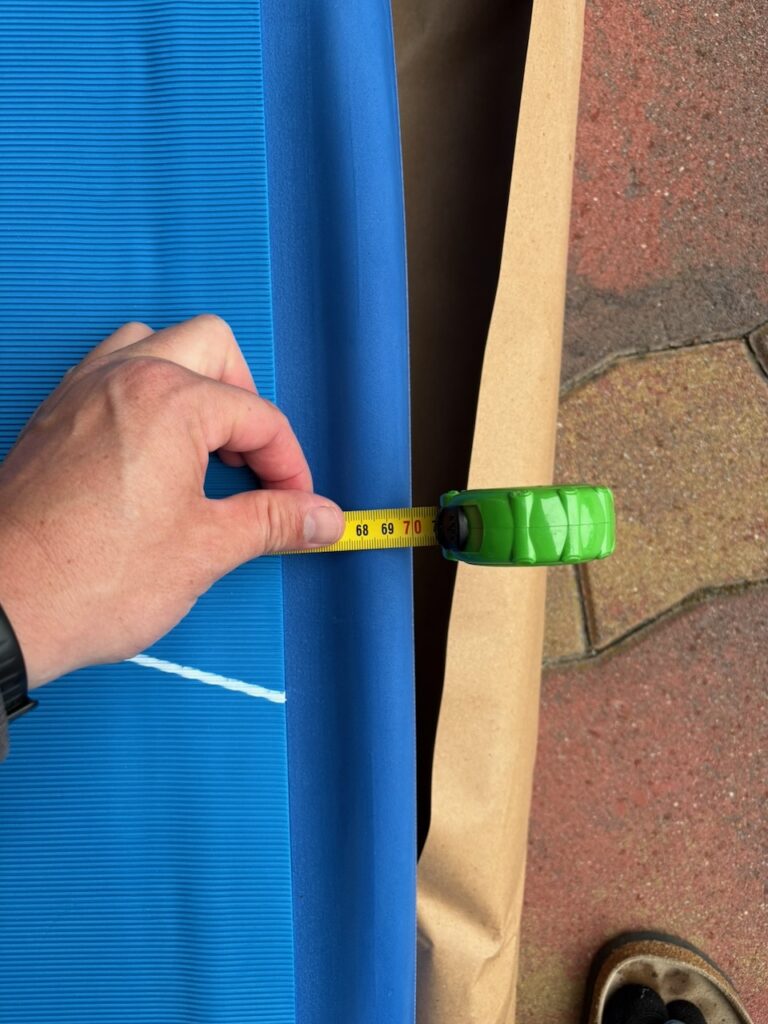
My wishlist was clear: welded edges, premium woven drop-stitch, a fusion layer, and a thick PVC/carbon stringer for stiffness — plus a GoPro mount, deck net, and a bit of nose rocker, since the lack of it on the current LightCorp 3L Platin Race and the iTiwit R500 cost me extra footwork. No-gos: a tow D-ring under the nose, overcomplicated stiffening systems, and pointless attachments. The Allstar Airline ticked nearly every box — sized true to spec at 70 cm / 27.55″ wide — and in places delivered detail I hadn’t even asked for.
The Bottom Line

I get why Starboard leans into differentiation with the Airline System, and its fan base isn’t wrong that there’s little better out there right now. But if this is meant to mimic the Allstar hard board, Starboard should borrow the scoop rocker line from its Generation iSUP instead of adding complexity for complexity’s sake.
Starboard remains one of the best manufacturers out there, and I’m glad they keep pushing standards. But 2026’s hot European summer is only going to make “idiot-proof yet race-capable” harder to achieve — a Kevlar-reinforced nose cone and faster EU replacement shipping would go a long way.
If you’ve never heard of physics, just remember: white might not be your favorite color, but it’s the best choice for iSUPs.

If you’re a heavy paddler like me, or have experience with older Allstar Airline models, drop a comment — the community deserves more real-world feedback like this. Do you want to read more about the sunny sides of this board?- check out the supboarders review, where it’s compared to the touring model.
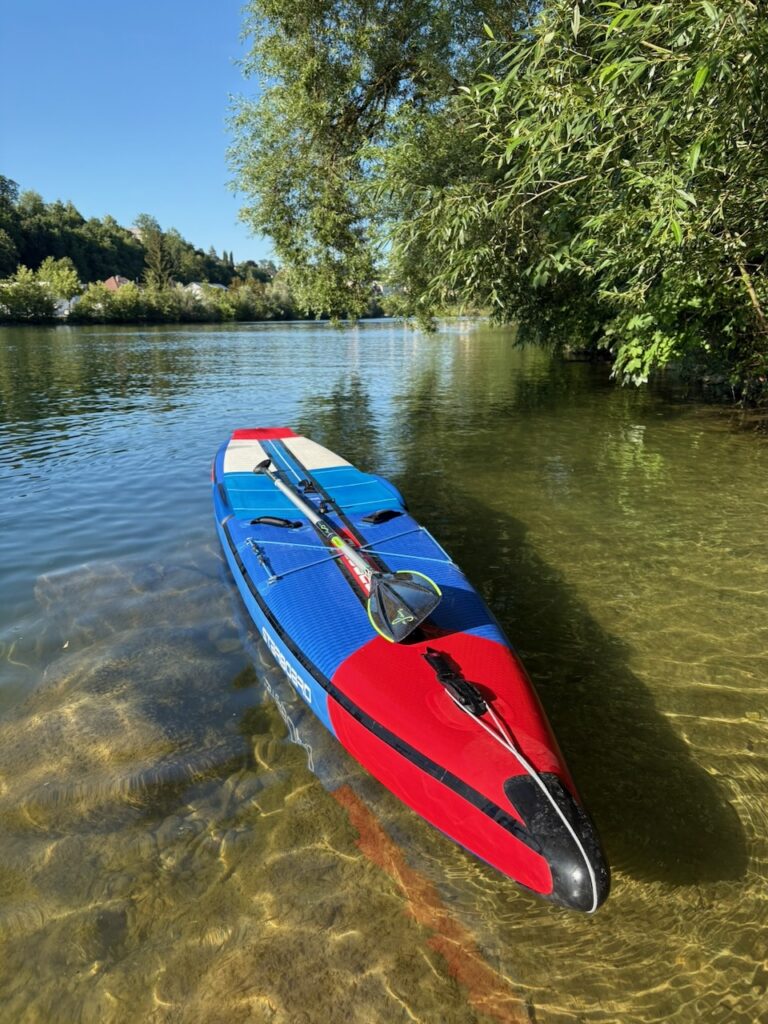
This summer many people experienced that there is a difference between cheap material and trustworthy brands… let’s show them that at least the industry leader serves the market with the best quality possible.